 The Greenwald Law Firm
A property crime allegation can place your freedom, reputation, career, and future at risk. Whether you are facing charges for vandalism, criminal mischief, trespassing, arson, or another offense involving damage to or interference with someone else’s property, the consequences can be serious. With more than 20 years of criminal defense experience and over 200 trials handled, The Greenwald Law Firm provides aggressive, trial-focused representation for clients throughout Orange County, Seminole County, and the surrounding Central Florida area. When your future is on the line, you need an attorney prepared to challenge the evidence, question the allegations, and fight for the best possible outcome.
Confidential Case Review A Strong Defense Starts With the FactsCommon Florida Property Crime Charges We Defend
Property crimes generally involve the unlawful damage, destruction, use, entry, or interference with another person’s property, and can range from misdemeanor offenses to serious felony charges depending on the circumstances and alleged harm involved. Examples include:
- Vandalism
- Trespassing
- Arson
- Destruction of Evidence
- Tampering with Utilities or Communication Services
- Possession of Burglary Tools
 Every Property Case Deserves a Thorough Defense Review
Understanding Intent in Property Crime Prosecutions
Property crime charges often depend on more than simply proving that property was damaged, entered, altered, or interfered with. In many cases, the prosecution must prove beyond a reasonable doubt that the accused acted willfully, knowingly, maliciously, or with a specific criminal purpose. The State cannot rely on assumptions, misunderstandings, accidents, mistaken identity, lack of knowledge, or other innocent explanations to satisfy this burden. Because intent is frequently a central issue in property crime cases, understanding the legal meaning of these terms is critical.
- Willfully: Knowingly, intentionally, and purposely.
- Knowingly: Acting with awareness of the nature of one’s conduct or the relevant circumstances.
- Maliciously: Acting wrongfully, intentionally, and without legal justification or excuse.
Penalties For property crimes in Florida
Property crimes can be charged as a Misdemeanor or Felony, depending on the circumstances.
Willfully and maliciously damaging, destroying, defacing, or injuring another person’s real or personal property.
- Classification: Can range from a second-degree misdemeanor to a third-degree felony depending on the amount of damage and circumstances involved.
- Penalties: Up to 60 days in jail for a second-degree misdemeanor, up to 1 year in jail for a first-degree misdemeanor, or up to 5 years in prison for a third-degree felony, along with fines and restitution.
Willfully entering or remaining on property without authorization, license, or invitation after notice against entry has been given.
- Classification: Typically a second-degree misdemeanor, first-degree misdemeanor if the property is a structure or conveyance, and may be enhanced under certain circumstances.
- Penalties: Up to 60 days in jail for a second-degree misdemeanor or up to 1 year in jail for a first-degree misdemeanor, along with fines and probation.
Willfully and unlawfully damaging a structure or other property by fire or explosion.
- Classification: Generally a first-degree felony for occupied structures and a second-degree felony for certain unoccupied structures or property.
- Penalties: Up to 30 years in prison for a first-degree felony or up to 15 years in prison for a second-degree felony, along with substantial fines.
Knowingly altering, destroying, concealing, or removing evidence with the intent to impair its availability in a criminal investigation or proceeding.
- Classification: Third-degree felony.
- Penalties: Up to 5 years in prison, 5 years of probation, and a fine of up to $5,000.
Possessing any tool, machine, or device with the intent to use it in the commission of a burglary or trespass offense.
- Classification: Third-degree felony.
- Penalties: Up to 5 years in prison, 5 years of probation, and a fine of up to $5,000.
Willfully, maliciously, or knowingly interfering with utility equipment, communication systems, or services in a manner prohibited by law.
- Classification: Often charged as a first-degree misdemeanor or third-degree felony depending on the conduct and resulting harm.
- Penalties: Up to 1 year in jail for a misdemeanor or up to 5 years in prison for a felony, along with fines and restitution.
The Details Matter in Property Crime Prosecutions
Get Immediate Legal GuidanceThe specific facts of each case matter. Whether the alleged damage was intentional, whether the accused had permission to be on the property, whether the conduct was the result of an accident or misunderstanding, and whether law enforcement correctly identified the responsible party can all play a significant role in the outcome of a property crime case. An experienced criminal defense attorney can carefully examine the evidence, challenge the State’s ability to prove intent, and identify weaknesses in the prosecution’s allegations.
Potential Defense Strategies in Property Crime Cases
Lack of Intent
Many property crimes require the State to prove that the accused acted willfully, knowingly, maliciously, or with a specific criminal purpose. If the alleged conduct resulted from an accident, misunderstanding, mistake, or other innocent explanation, the prosecution may be unable to prove a required element of the offense beyond a reasonable doubt.

Lawful Authority, Consent, or Lack of Unauthorized Conduct
Some property crime allegations depend on whether the accused had permission, legal authority, or a lawful right to be present on the property or engage in the conduct at issue. Evidence showing consent, authorization, ownership interests, or a legitimate purpose for the conduct may undermine the prosecution’s case and support a dismissal or reduction of charges.
Mistaken Identity or Insufficient Evidence
Property crimes are often investigated using witness statements, surveillance footage, photographs, or circumstantial evidence. A defense may focus on challenging the reliability of witness identifications, the quality of the evidence, or the State’s ability to prove that the accused was actually the person responsible for the alleged conduct.
Committed To Your Defense.Why Experienced Legal Representation Matters
The Sixth Amendment guarantees your right to legal counsel, but the quality of that representation can have a significant impact on the outcome of your case. Public defenders provide an important service, but heavy caseloads can limit the amount of time available to thoroughly investigate allegations, interview witnesses, and develop a comprehensive defense strategy. When your freedom, reputation, and future are at stake, personalized representation and dedicated attention to your case matter.
At The Greenwald Law Firm, Brian Greenwald brings more than 20 years of criminal defense experience and over 200 trials handled. Our firm takes a proactive, trial-focused approach to every case, carefully analyzing the evidence, identifying weaknesses in the prosecution’s allegations, and pursuing every available defense. Whether negotiating for a favorable resolution or fighting for you in court, we are committed to protecting your rights at every stage of the criminal process.
Protect Your Future Now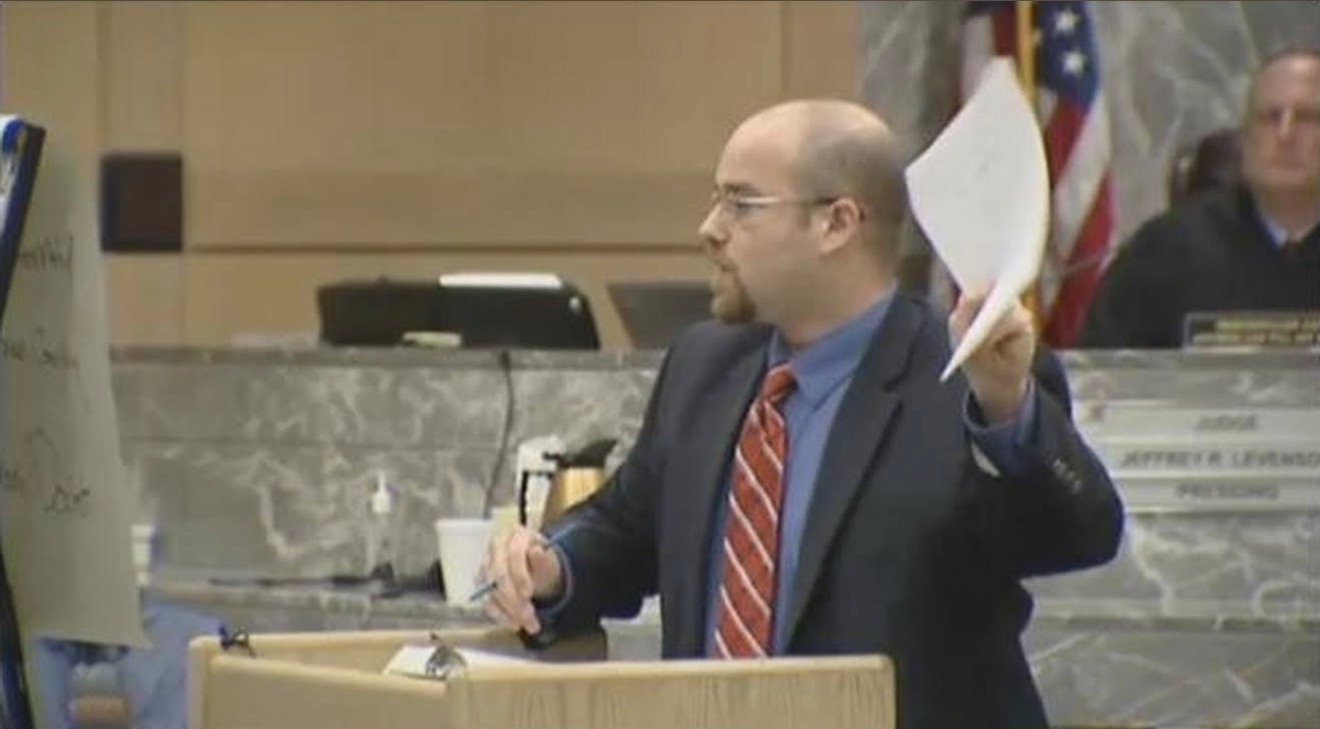
Our defense strategy includes:
- Conduct a thorough investigation of the allegations
- Identify and interview potential witnesses
- Analyze police reports, evidence, and prosecution claims
- Challenge unlawful searches, seizures, and procedures
- Develop a strategic defense tailored to the facts of your case
- Prepare every case as though it may proceed to trial
- Aggressively advocate for your interests in court and during negotiations
- Provide direct communication and guidance throughout the process
See what our Clients are Saying…
FAQ’sWhat You Need to Know After a Property crime Arrest in Florida
Being charged with a property crime can be overwhelming, especially when your freedom, reputation, employment opportunities, and future are suddenly at risk. Whether you are accused of vandalism, criminal mischief, trespassing, arson, tampering with utilities, or another property-related offense, you may have immediate questions about the charges, potential penalties, and how a conviction could affect your life. At The Greenwald Law Firm, we understand the stress and uncertainty that often follow a criminal accusation, which is why we make ourselves available 24/7 to provide guidance and answer your questions when you need it most. Attorney Brian Greenwald represents clients throughout Seminole County, Orange County, and the surrounding Central Florida area and is committed to protecting their rights at every stage of the criminal process. The frequently asked questions below address many of the common concerns individuals have when facing property crime charges in Florida.
Still have some questions?Property crimes generally involve the unlawful damage, destruction, entry, use, or interference with another person’s property. Common examples include criminal mischief (vandalism), trespassing, arson, possession of burglary tools, tampering with utilities or communication services, and tampering with physical evidence. Depending on the facts of the case, these offenses can be charged as either misdemeanors or felonies and may carry significant penalties.
Many Florida property crimes require the State to prove that the accused acted intentionally, knowingly, willfully, or maliciously. Accidents, misunderstandings, lack of knowledge, or other innocent explanations may serve as defenses depending on the circumstances. Because intent is often a key element of these offenses, the specific facts of the case can have a major impact on the outcome.
Several Florida statutes address property-related offenses, including:
- Criminal Mischief (Vandalism): Florida Statute § 806.13
- Trespass in a Structure or Conveyance: Florida Statute § 810.08
- Trespass on Property Other Than a Structure or Conveyance: Florida Statute § 810.09
- Arson: Florida Statute § 806.01
- Possession of Burglary Tools: Florida Statute § 810.06
- Tampering with Physical Evidence: Florida Statute § 918.13
The Greenwald Law Firm can review the allegations and explain the specific statute and penalties applicable to your case.
The penalties depend on the offense charged, the amount of alleged damage, the type of property involved, and whether aggravating circumstances exist. Some property crimes are charged as misdemeanors punishable by jail time, probation, and fines, while others—such as arson, felony criminal mischief, or possession of burglary tools—can expose a person to years in state prison and a permanent criminal record.
An experienced criminal defense attorney like Brian Greenwald can investigate the allegations, review police reports and witness statements, analyze surveillance footage and other evidence, challenge the State’s ability to prove intent, and identify constitutional or evidentiary issues that may weaken the prosecution’s case. Depending on the circumstances, defenses may involve mistaken identity, lack of intent, lawful authority to be on the property, insufficient evidence, or other facts that create reasonable doubt.