
Your Defense Starts Here
Strategic Defense for Domestic Violence Charges
Being accused of domestic violence can affect your freedom, your family, your career, and your future within hours of an arrest. Attorney Brian F. Greenwald provides experienced criminal defense for individuals facing domestic violence charges throughout Seminole County and Orange County, protecting your rights while working toward the best possible outcome. Available 24/7 for urgent consultations.
What Constitutes Assault in Florida?
Domestic violence is not a separate criminal offense but a legal designation that applies when certain crimes are allegedly committed against a qualifying family or household member. Under Florida law, domestic violence includes offenses such as assault, battery, aggravated assault, aggravated battery, stalking, kidnapping, false imprisonment, sexual offenses, or any crime resulting in physical injury or death when committed against someone who meets the statutory relationship requirements.
Family or household members generally include spouses, former spouses, individuals related by blood or marriage, people who currently or previously lived together as a family, and parents of a child in common. Because a domestic violence allegation can lead to immediate no-contact orders, firearm restrictions, and other serious consequences, obtaining experienced legal representation as early as possible is critical.

The Elements of Assualt in Florida
Under Florida Statutes § 741.28, an allegation generally must satisfy the following elements to qualify as domestic violence:
Potential Penalties for Domestic Violence Charges in Florida
The penalties for a domestic violence case depend on the underlying criminal offense, the severity of the alleged conduct, the defendant’s criminal history, and the circumstances surrounding the incident. In addition to criminal penalties, courts may impose conditions that affect your daily life long before your case is resolved.
Not Every Allegation Tells the Whole Story
The facts surrounding every domestic violence allegation matter. Many cases arise from emotional disputes where there are conflicting accounts of what occurred. False accusations, inconsistent witness statements, self-defense claims, lack of visible injuries, and the credibility of the parties involved can all significantly affect the outcome of a case. Attorney Brian F. Greenwald can thoroughly investigate the allegations, analyze the evidence, and identify weaknesses in the prosecution’s case while protecting your rights at every stage of the criminal process.
Potential Defense Strategies in Domestic Violence Cases
Self-Defense and Defense of Others
Not every physical confrontation is a crime. Florida law recognizes that individuals may use reasonable force to protect themselves or another person when they reasonably believe it is necessary to prevent imminent unlawful force. Evidence such as witness statements, injuries, surveillance footage, and 911 recordings can be critical in establishing a lawful act of self-defense.

Why Experienced Legal Representation Matters
The Sixth Amendment guarantees your right to legal counsel, but not all representation is the same. Public defenders often handle extremely large caseloads, which can limit the amount of time available to thoroughly investigate and prepare each case. When your freedom, reputation, and future are on the line, having an attorney who can dedicate significant time and resources to your defense can make a meaningful difference.
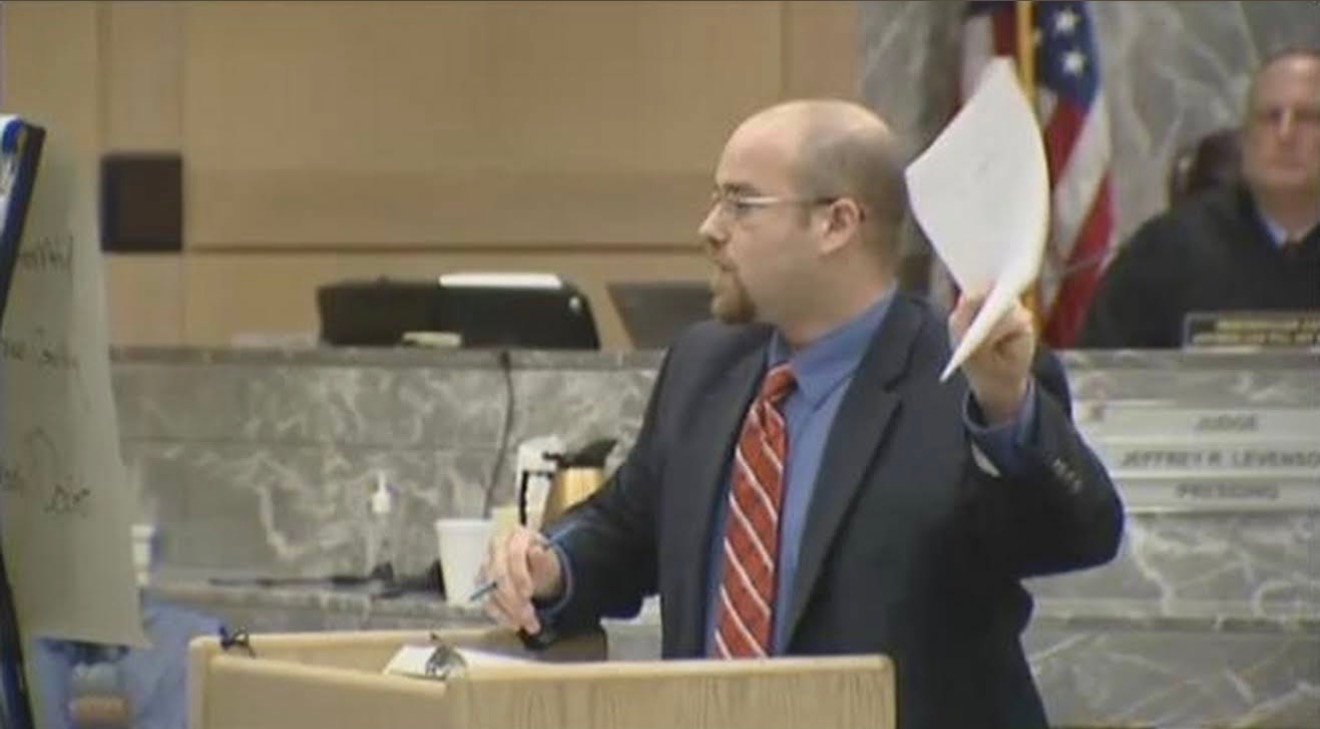
At The Greenwald Law Firm, Brian Greenwald brings more than 20 years of criminal defense experience and over 200 trials handled. Rather than simply processing cases toward a plea agreement, our firm takes a proactive approach designed to uncover weaknesses in the prosecution’s case and prepare for trial when necessary.
Our defense strategy includes:
- Thoroughly investigating the circumstances surrounding the allegations
- Identifying, locating, and interviewing potential witnesses
- Analyzing police reports, body camera footage, and other evidence
- Challenging inconsistencies in witness statements and testimony
- Examining potential self-defense or mistaken identity claims
- Negotiating from a position of strength when appropriate
- Aggressively fighting for your rights at trial when necessary
- Keeping you informed and involved throughout the legal process
See what our Clients are Saying…
FAQ’s
Frequently Asked Questions About Domestic Violence Charges in Florida.
Being accused of domestic violence can be overwhelming, especially when your freedom, reputation, family relationships, career, and future are suddenly at risk. A domestic violence arrest can lead to immediate no-contact orders, removal from your home, firearm restrictions, and other serious consequences long before your case is resolved. Many people have urgent questions about what happens next, the potential penalties they face, and how the allegations may affect their lives.
At The Greenwald Law Firm, we understand the stress and uncertainty that often accompany domestic violence allegations, which is why we make ourselves available 24/7 to provide guidance when you need it most. Attorney Brian F. Greenwald represents clients throughout Seminole County and Orange County and is committed to protecting their rights at every stage of the criminal process. The frequently asked questions below address many of the common concerns individuals have when facing domestic violence charges in Florida.