
Your Defense Starts Here
Strategic Defense for Traffic Offenses
A traffic-related criminal charge can place your driver’s license, freedom, reputation, employment opportunities, and future at risk. Whether you are facing a DUI, driving while license suspended charge, reckless driving allegation, or another serious traffic offense, the consequences can include jail time, substantial fines, license suspension, and a permanent criminal record. With more than 20 years of criminal defense experience and over 200 trials handled, Brian Greenwald, Esq. provides aggressive, trial-focused representation for clients throughout Orange County, Seminole County, and the surrounding Central Florida area. When your driving privileges and future are on the line, you need an attorney prepared to challenge the evidence and fight for the best possible outcome.
Experienced Defense for Serious Florida Traffic Offenses
Traffic-related criminal charges can impact much more than the penalties imposed by the court. A conviction may lead to driver’s license suspensions, points on your driving record, increased insurance premiums, employment challenges, and other long-term consequences. The Florida Department of Highway Safety and Motor Vehicles (FLHSMV) oversees driver licensing and records, and certain offenses can affect your driving privileges for years to come.
At The Greenwald Law Firm, we focus on protecting more than just your criminal record. Attorney Brian Greenwald develops defense strategies aimed at minimizing the impact on your driver’s license, insurance rates, employment opportunities, and future. Through thorough case analysis and aggressive advocacy, we fight for outcomes that help protect both your rights and your ability to move forward.
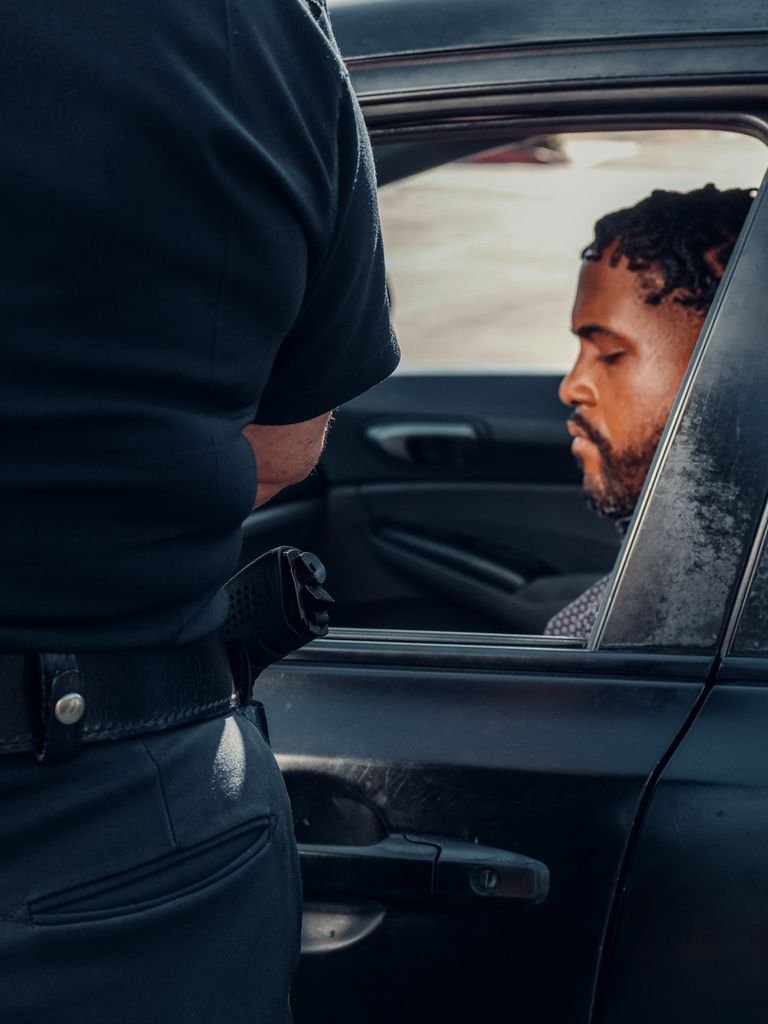
Florida Traffic Crime Penalties and Consequences
The penalties for Florida traffic offenses can extend far beyond a simple traffic ticket. Depending on the charge, a conviction may result in jail time, substantial fines, driver’s license suspensions, increased insurance premiums, and a permanent criminal record. The examples below provide a general overview of the classifications and potential penalties associated with some of the most common traffic-related criminal offenses in Florida.
Challenging the Evidence in Traffic Crime Cases
The specific facts of each case matter. The legality of the traffic stop, the accuracy of field sobriety exercises or chemical testing, witness statements, accident reconstruction evidence, dashcam or bodycam footage, and the actions of law enforcement can all play a significant role in the outcome of a traffic crime case. Attorney Brian F. Greenwald can carefully examine the evidence, identify constitutional or procedural issues, and expose weaknesses in the prosecution’s case.
Common Defenses to Florida Traffic Offenses
Unlawful Traffic Stop
Law enforcement must have a valid legal basis to stop a vehicle. If an officer lacked reasonable suspicion or probable cause for the stop, evidence obtained afterward—including observations, statements, field sobriety exercises, or chemical test results—may be challenged and, in some cases, excluded from evidence.

Why Experienced Legal Representation Matters
The Sixth Amendment guarantees every person accused of a crime the right to legal counsel, but the level of attention and resources devoted to a case can vary significantly. Public defenders provide an important service, yet heavy caseloads often limit the amount of time available to thoroughly investigate the facts, interview witnesses, challenge evidence, and prepare a comprehensive defense. When your driver’s license, freedom, reputation, and future are at stake, having dedicated representation can make a meaningful difference.
At The Greenwald Law Firm, Attorney Brian Greenwald brings more than 20 years of criminal defense experience and over 200 trials handled. Our firm takes a proactive, trial-focused approach to traffic crime defense, carefully analyzing the legality of the traffic stop, the evidence gathered by law enforcement, and any weaknesses in the prosecution’s case. Whether you are facing a DUI, reckless driving charge, suspended license offense, or another serious traffic allegation, we are committed to protecting your rights and pursuing the best possible outcome.
Our defense strategy includes:
- Thoroughly investigating the circumstances surrounding the allegations
- Identifying, locating, and interviewing potential witnesses
- Analyzing police reports, body camera footage, and other evidence
- Challenging inconsistencies in witness statements and testimony
- Examining potential self-defense or mistaken identity claims
- Negotiating from a position of strength when appropriate
- Aggressively fighting for your rights at trial when necessary
- Keeping you informed and involved throughout the legal process
See what our Clients are Saying…
FAQ’s
What You Need to Know After a Traffic-Related Arrest
Being charged with a traffic-related criminal offense can be overwhelming, especially when your driver’s license, employment opportunities, insurance rates, and future are suddenly at risk. Many people facing charges such as DUI, reckless driving, driving while license suspended, hit and run, or street racing have immediate questions about the potential penalties and how a conviction could affect their daily lives. At The Greenwald Law Firm, we understand the stress and uncertainty that often follow a traffic-related arrest, which is why we make ourselves available 24/7 to provide guidance when you need it most. Attorney Brian Greenwald represents clients throughout Seminole County and Orange County and is committed to protecting their rights at every stage of the criminal process. The frequently asked questions below address many of the common concerns individuals have when facing traffic crime charges in Florida.